Change or rekey · Toronto
Lock Replacement & Upgrade
Every morning the front door key needs the same little dance: push in, lift, wiggle, turn. It has been getting worse for a year, and this week it took three tries in the cold before the deadbolt finally gave.
Lock Replacement & Upgrade
In plain words
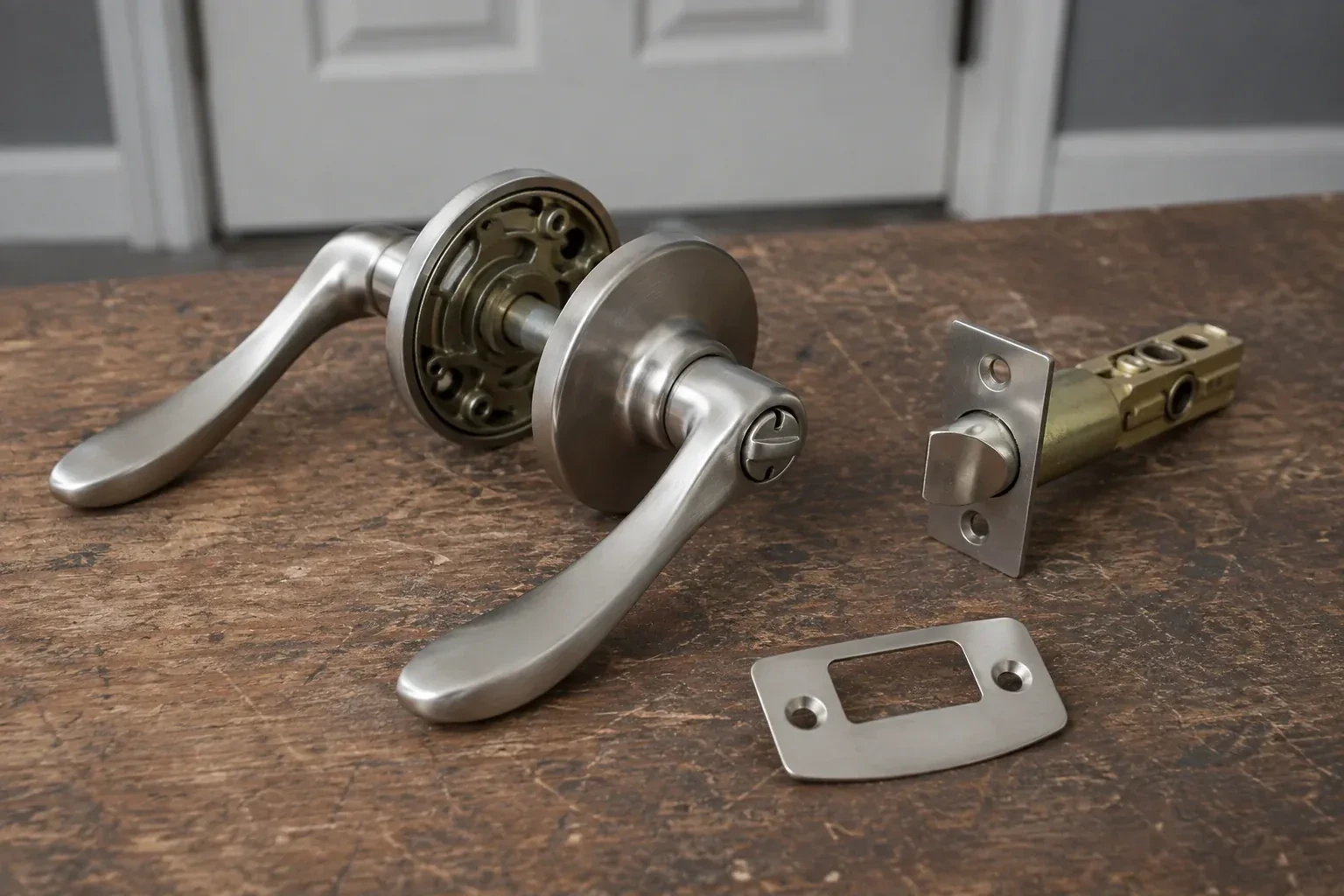
Lock replacement and upgrade is the service that takes tired or under-built door hardware off and puts hardware suited to the door in its place. It ranges from a like-for-like deadbolt on a back door to a complete refit of every entrance with heavier-grade locks, reinforced strikes and one key for the house. The locksmith first confirms that the person ordering the work has the right to change the lock, then examines the door, measures the existing preparation and recommends hardware that fits it cleanly. The visit ends with each lock tested from both sides, keys in your hand and the packaging and instructions left with you.
How the visit goesThe lever on the side door droops toward the floor and rattles in your hand. The latch no longer springs back on its own, so the door drifts open behind you unless you pull it shut and check it twice.
Toronto
How the visit goes
The rest of the openings
One failing lock is often the loudest of several, so the locksmith takes a short tour. The back door, the garage man-door, a basement walkout, a sliding patio door and a storm door all count, and so does the door from the garage into the house, which is often the lightest lock on the property. Each is noted for grade, condition and whether it has a deadbolt at all. You are not obliged to do them all at once; the value of the tour is a clear list ranked by what matters most, so the first replacement goes where it makes the largest difference.
Installing a keypad or smart deadbolt
A smart lock is fitted like any deadbolt, then brought to life. The bolt and exterior keypad go on first, the interior module with its battery pack after, and the door is closed so the lock can learn where the bolt sits; a bolt that meets resistance in the strike is corrected before pairing, because a straining motor drains batteries and fails early. Codes are programmed for each person, auto-lock and sound settings are set to your liking, any phone or hub pairing is completed, and the mechanical override cylinder is tested with its key. Fresh batteries go in last.
Keys counted, named and planned
You receive the agreed number of keys, cut from the new pinning and tried in every door they should open, plus any code cards for a restricted system, which are what future copies are cut from. It is worth deciding on the spot who gets one and where the spare lives, ideally with a trusted neighbour or in a lockbox rather than in a drawer inside. If the house is now on a single key, retire every old key so none can be confused with the new one. A written list of which key does what goes in the home file.
Lock Replacement & Upgrade
In the van
- Key blanks and key cutter
- Adjustable latch or bolt
- Boring jig and hole saws
- 75 millimetre strike and hinge screws
- Cylinders, plug follower and pinning kit
What affects the quote
Same fees day, night or weekend
1Changes to the door preparation
Adjusting a strike mortise is minor; boring a new hole for a deadbolt, fitting a filler plate over an old mortise pocket or adapting a thick door with extension kits is quoted as its own item.
2Finish and style
Standard satin nickel or brass is one line; specialty finishes, matched suites across several doors and designer handlesets are others. The finish you choose for exposure and looks is priced as the maker prices it.
3Type of lock
A knob set, a lever, a deadbolt, a full handleset with deadbolt above, a patio door lock and a keypad or smart deadbolt each carry a different hardware cost and take different time to fit.
Lock Replacement & Upgrade: questions
What does a higher grade of lock actually give me?
Grades follow ANSI/BHMA standards, with Grade 1 the highest and Grade 3 the lightest, and residential hardware carries a separate label that scores security, durability and finish. The grade reports how the lock performed on the standard's own operational, strength and security tests; a higher grade often comes with a longer bolt, a sturdier housing, pins that resist picking and a strike built to anchor into the framing, but those features are worth confirming on the specific model rather than assumed from the grade alone.
Should I rekey my locks or replace them?
Rekey when the hardware is sound and the problem is the key: a lost copy, a move, or too many keys for one house. Replace when the mechanism itself is worn, the housing or bolt is damaged, the grade was never suitable for the entrance, or you want a different function, finish or a keypad. Many visits do both, keeping good locks and rekeying them while replacing the tired ones, all to one key.
My door has glass beside it. Should I fit a deadbolt keyed on both sides?
A keyed interior cylinder means finding a key to get out, which is not what you want on a door people use every day. The steadier answer for a door with glass is a single-cylinder deadbolt with a thumb-turn, combined with a reinforced strike, a longer bolt and a security film or laminated glass in the sidelight.
Change or Rekey Locks
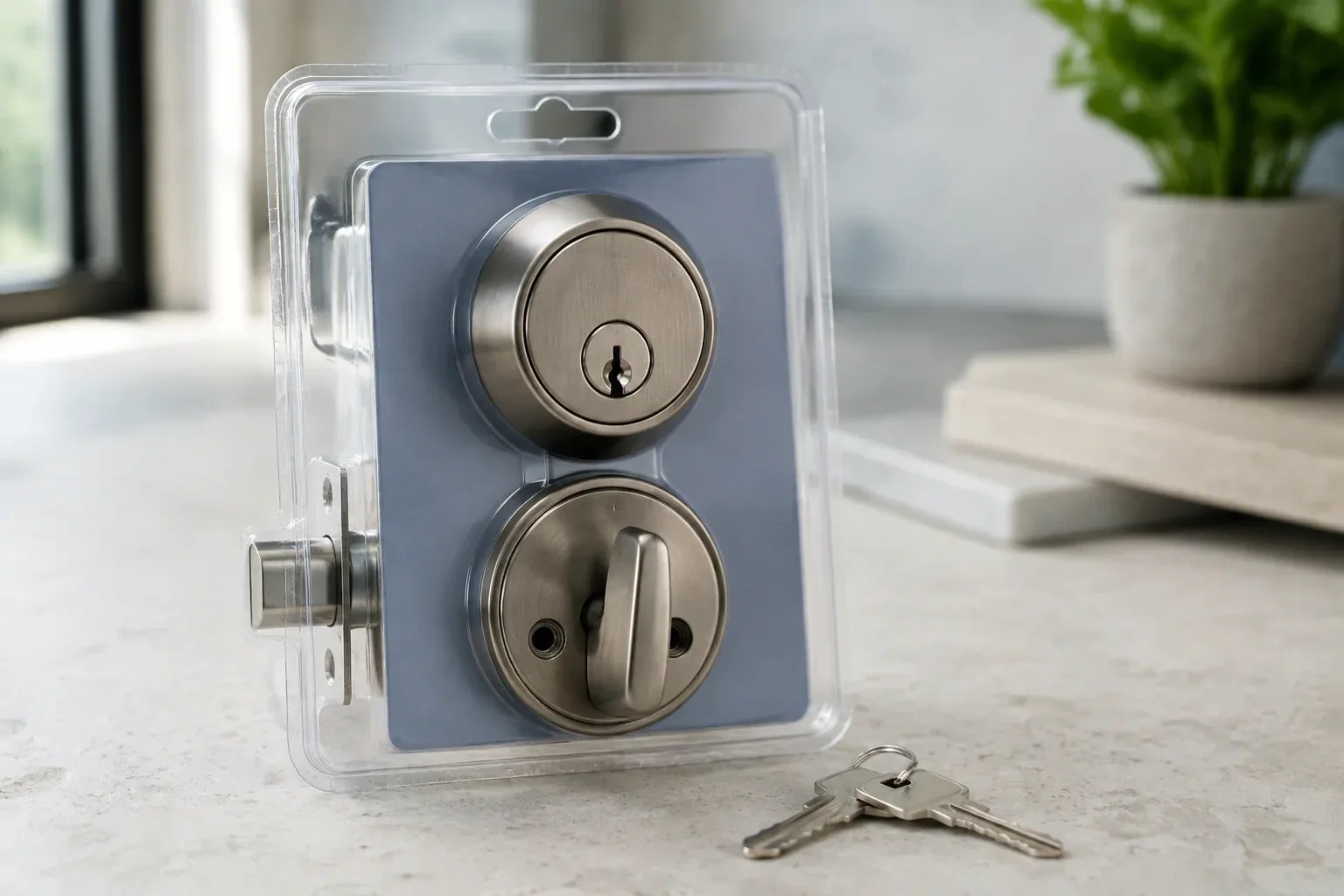
- Deadbolt InstallationThe back door has a deadbolt in name only: a short bolt, a thin brass strike held by two little…
- Vintage Mortise Lock ServiceSomeone painted the door years ago without removing the hardware.
- Smart Lock InstallationHalf the evenings someone asks whether the back door got locked, and nobody is sure.
Lock Replacement & Upgrade near you
Choose a service to see how it works in Toronto. Each page explains the situation it suits, what the locksmith looks at first, how the job is done, and how to look after the hardware afterwards. If your problem sits between two services, either page will get you to the right conversation.