Sunnyside Lock Experts
Issue 2 of 3LocksmithToronto, Ontario
Broken Key Extraction: step by step
If a key has just snapped in your lock, the most helpful thing you can do is nothing further to the lock.
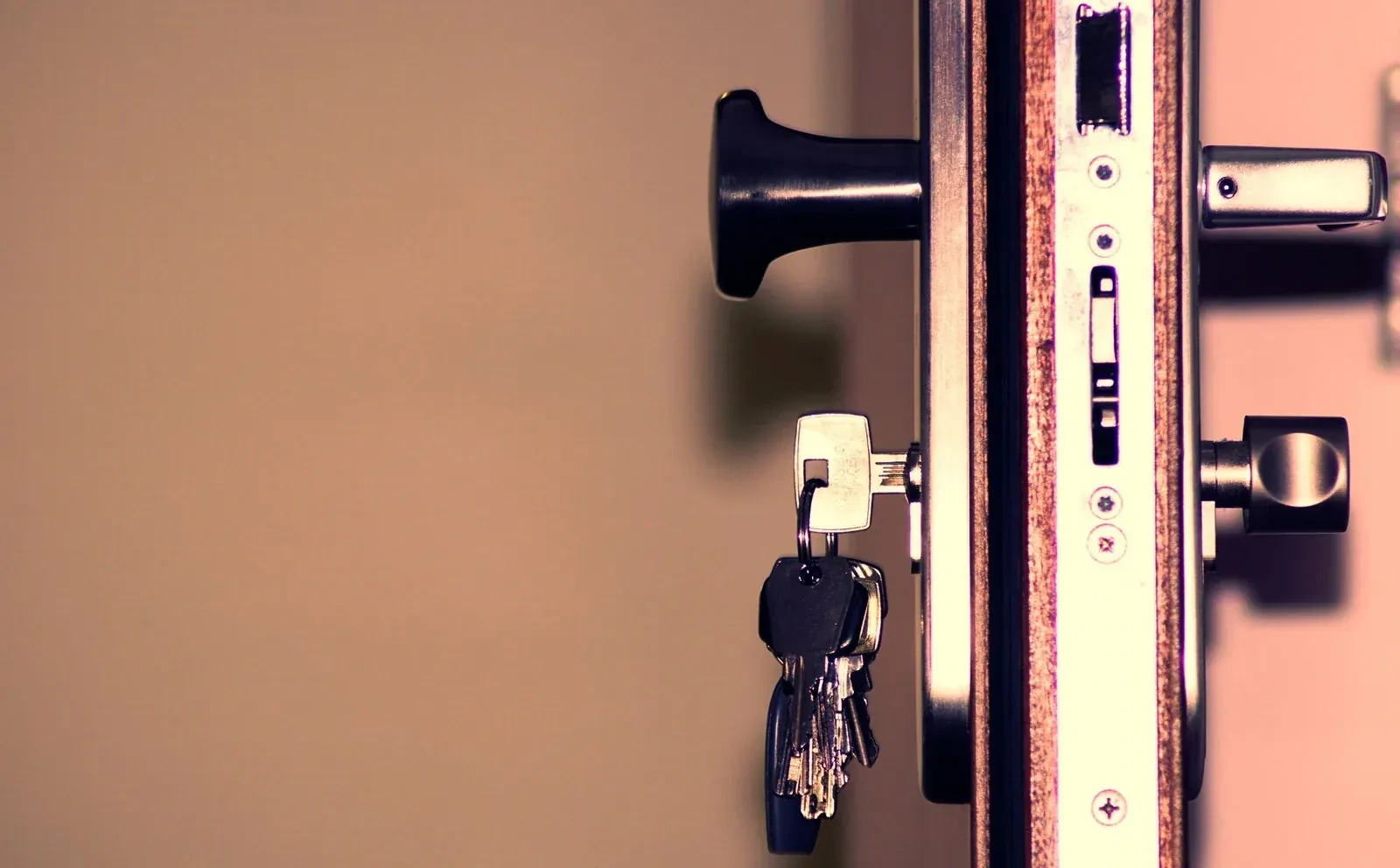
If a key has just snapped in your lock, the most helpful thing you can do is nothing further to the lock. Keep the half in your hand, note whether the door is locked, and resist the tweezers and the glue, both of which push the piece deeper and add material the locksmith must clear first. On the phone, describe the lock, whether any of the blade shows, and whether the key turned when it broke. Have photo identification to hand, or the ownership papers if it is a vehicle. That short conversation means the locksmith arrives with the right extractors and a plan.
What happened in the second before it broke
Your account of the break is evidence. A key that snapped while you were turning against resistance points to ice, a binding bolt or a swollen door. One that broke as you pushed it in suggests grit or a damaged pin in the keyway. A key that had been sticking for weeks and finally gave up hints at worn pins or a loose cylinder cap. A key that simply cracked at a deep cut with no drama was probably fatigued metal. Each story leads to a different check after the piece is out, so a few honest sentences about the moment save guesswork later.
When the piece is standing proud
A fragment that shows above the cylinder face looks like the easy case, and it is, provided nobody pushes on it. The locksmith grips it with fine-jawed extractor pliers or needle-point tweezers made for the purpose, steadies the cylinder with the other hand, and pulls straight out along the line of the keyway. If it resists, the plug is checked for rest position rather than the pull being increased, because a piece forced against lifted pins can bend them. A trace of dry lubricant at the keyway entrance eases a tight fit. The piece comes out whole, and the lock is ready to test.
A clear record for the landlord or manager
If the lock belongs to a rental unit, a condo or a workplace, you get a plain account of what was done: the fragment removed, the cylinder inspected and serviced, any key cut, and whether a rekey or replacement was recommended. Tenants and landlords in this province each carry obligations when locks are changed and keys are shared, so if the cylinder was replaced or rekeyed, the note records who now holds which key. For a property manager it closes the ticket cleanly; for you it means the next conversation about that door starts from facts rather than memory.